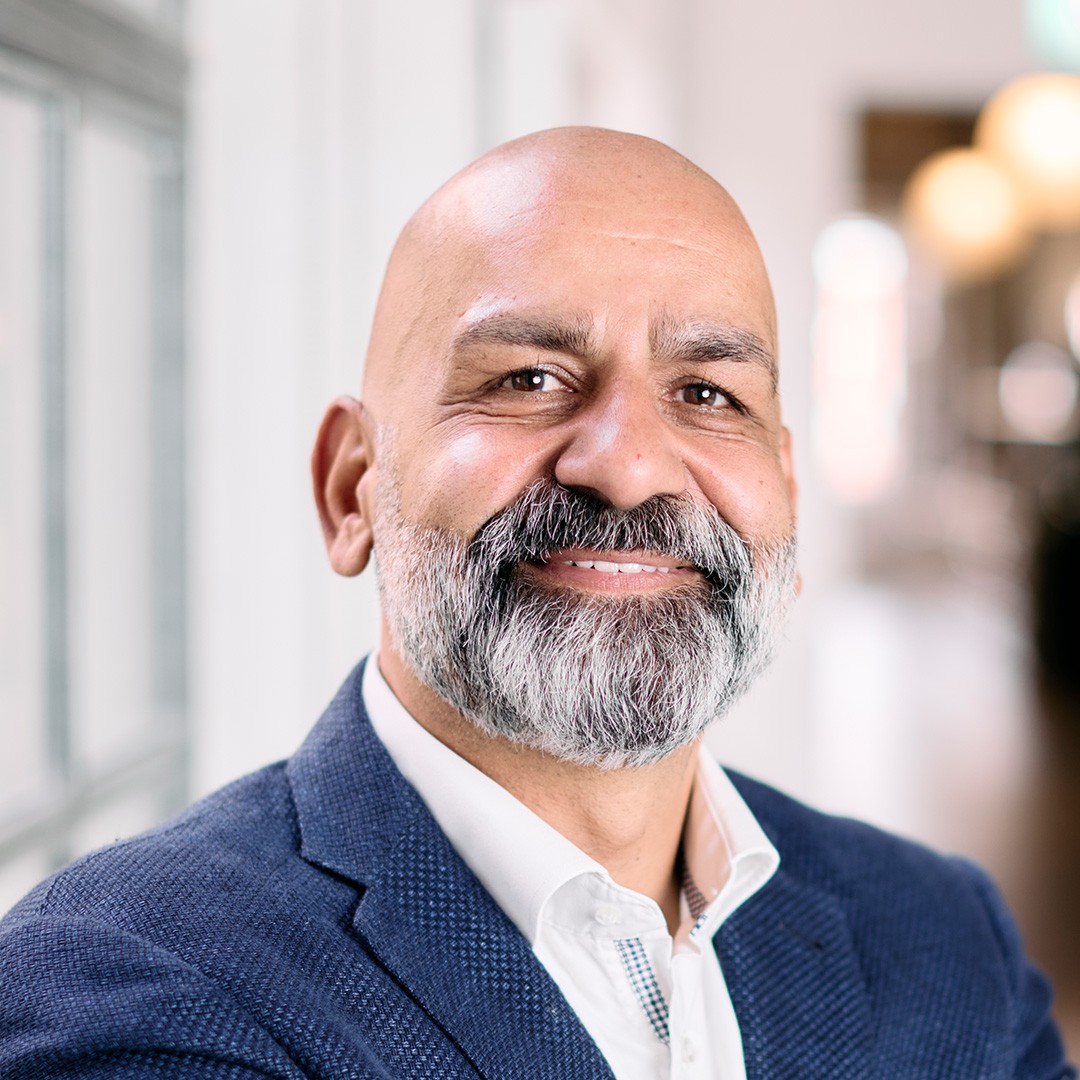




Writing in The AI Journal, Tarek Nseir, Co-Founder and Senior Value Partner at Valliance, argues that the next phase of UK AI policy should be judged on delivery rather than ambition. With Kanishka Narayan appointed AI Minister and DSIT dissolved, he sets out what businesses need from government before they will commit to long-term AI investment: clear ownership of existing commitments, practical procurement and adoption pathways, and a policy environment stable enough to invest in with confidence.
Ambition has never been the UK's problem
Tarek starts from the UK's strengths. The country already has world-class research institutions, a strong technology ecosystem and a growing appetite for AI adoption across industries. What it lacks is the practical foundation that lets organisations move from experimenting with AI to implementing it deeply in their operations.
Recent years have produced no shortage of strategies, frameworks and announcements. Tarek's point is that progress cannot be measured by the number of plans published. He cites the AI Opportunities Action Plan as a case study: after an initial six-month update, little has been heard about its progress.
Uncertainty over DSIT's commitments is a reason to hold back investment
The AI Opportunities Action Plan was the government's central AI programme, and it was led by DSIT. With DSIT gone, anyone considering a multi-year AI investment in the UK will ask what happens to the commitments it was supposed to own. Tarek accepts that machinery-of-government changes are normal. What matters is that long-term programmes keep clear ownership, accountability and momentum through the transition, and in his view that remains unclear.
'For businesses making long-term investment decisions, clarity is as important as the plan itself.'
He argues that a finance director choosing between the UK and a market with a steadier delivery record has reason enough to hold back. He points to OpenAI pausing its £31bn Stargate UK project in April, citing regulatory uncertainty as a chief reason, well before the current shake-up. By his account, the pause cost the UK thousands of GPUs, new data centre capacity and a real marker of sovereign compute strength.
UK firms need real public-sector work to build on
Tarek puts procurement reform on the agenda. Giving local companies the chance to fix public services should not only happen as a reaction when sentiment towards big tech sours, as it did when MPs opposed Palantir's NHS contract ('rightly or wrongly', he adds).
'Companies cannot be expected to build brilliant things in a sandbox – they need real opportunities to get their hands dirty and direct their best thinking and technologies towards actual use-cases.'
Tarek connects this to the Prime Minister's goal of decentralising power and the economy away from London, naming Oxford and Manchester as places producing impressive work. The more local enterprises get a shot at public-sector contracts, the faster they grow and scale their own capabilities to match those overseas.
Sovereign AI is years away, and businesses should not wait for it
Tarek argues that empowering UK firms cannot only happen in the context of supporting AI sovereignty, and that a focus on independence misses the point. Local players need clear, responsible pathways to use models from providers such as OpenAI and Anthropic, while sovereign alternatives are built in tandem.
'Leaders cannot promote sovereignty based on principle, when the fact is we're still at least five years away from matching the capabilities that exist abroad.'
In his view, companies need access to advanced models in the meantime, both to grow and to tackle real use cases of consequence. He describes building sovereign capability as a 'crucial journey' for the country. In his argument, it gives businesses no reason to pause.
Success is measured by what reaches production
Tarek sets a clear test for the new leadership.
'The most meaningful success metrics are whether UK organisations are able to consistently move AI initiatives from pilot to production, and whether those investments deliver measurable operational and commercial value.'
His conclusion is blunt. 'The UK does not need another plan, framework or statement of intent – we already know where we need to be. It needs delivery.' Get that right and the country's AI ambitions start to show up as business and economic value. Keep focusing on intent over action, he warns, and we will be having the same conversation in another twelve months.
The test he sets for government applies equally inside a business. The question for any board is whether its AI initiatives are reaching production and producing measurable operational and commercial value.
First published in The AI Journal on 22 September 2026. Read Tarek's full article, AI in the UK can't afford another reset.
FAQs
How should the UK measure progress on AI?
By outcomes. Tarek's measure is whether UK organisations consistently move AI initiatives from pilot to production, and whether those investments deliver measurable operational and commercial value.
Should a UK business delay its AI programme until sovereign alternatives mature?
In Tarek's view, no. He argues the UK is still at least five years away from matching the AI capabilities that exist abroad, and that companies need access to advanced models in the meantime to grow and tackle real use cases, while sovereign alternatives are built in tandem.
Should sovereignty concerns rule out using US-based AI providers?
Tarek argues they should not, provided there are clear, responsible pathways for doing so. He names OpenAI and Anthropic as providers whose models UK firms need access to while sovereign alternatives are developed.
What does Tarek Nseir argue the UK government should do about AI?
He argues the UK does not need another AI plan and should focus on delivery. That means clear ownership of existing commitments, practical procurement and adoption pathways that organisations can use, and a policy environment stable enough for businesses to invest with confidence.
Why does the dissolution of DSIT matter to businesses investing in AI?
DSIT led the AI Opportunities Action Plan, the government's central AI programme. Tarek's concern is that it is unclear who now owns those commitments, and that this uncertainty gives businesses weighing multi-year AI investment a reason to hold back.