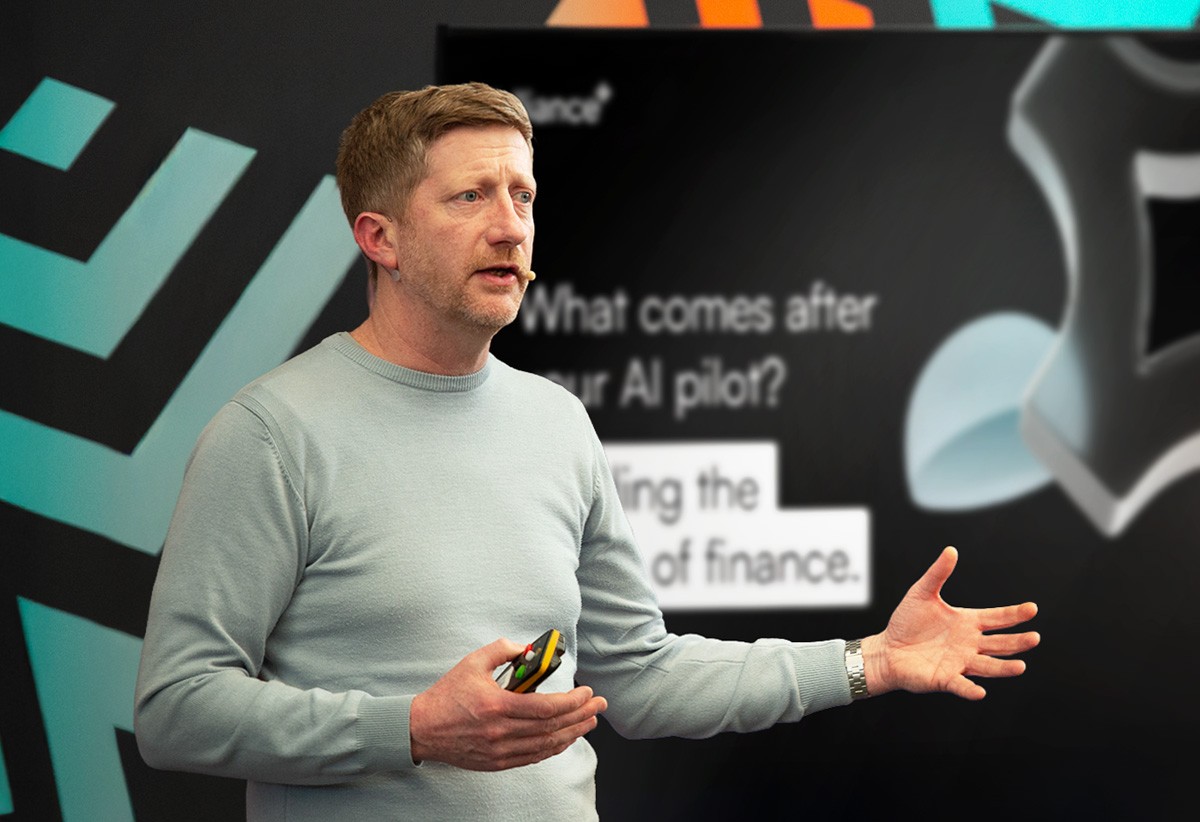




Inspired by the Enterprise Times article Tarek Nseir wrote on AI pilotitis: enterprisetimes.co.uk/2026/05/11/overcoming-ai-pilotitis-why-ai-trials-get-stuck
Pilotitis is not cured by running fewer experiments. Valliance research across 1,000 senior leaders at Europe's largest enterprises found that 40% of AI initiatives are pilots or experiments by design, rising to 48% among organisations with established AI programmes. Those mature organisations report strong return on investment in 76% of projects, against 20% at organisations still in pilot stage. They reach value in 5.3 months against 6.6, and record higher success rates, 56% against 43%. What separates them is that they combine the experimenting with clear outcomes, leadership involvement and internal capability.
The problem sits around the pilot
Enterprises are spending an average of £39.2m a year on AI, and only half of all projects deliver against their stated success metrics. The questions that decide which half a project lands in are operational, and a pilot can be built without answering any of them.
“Considered integration strategies, measurement frameworks and clear ownership determine how well pilots translate into production.” – Tarek Nseir, Senior Value Partner and Co-Founder, in Enterprise Times
Successful programmes start from the process
The organisations that get past pilot stage begin with a concrete operational goal, and ask whether AI can improve it. That framing brings the people who run the process into shaping how the system behaves, and questions about review, escalation and accountability arrive early enough to change the design.
Four practices separate the two groups
Success metrics defined from the outset, which only 45% of AI initiatives have. Early operational ownership. Leadership adoption, where mature organisations run at 45% against 27%, and only 35% of enterprise leaders use AI daily. Real capability transfer to the people who will run the system. Measurement is the one with a deadline on it, yet by the time leadership asks for results, retrofitting a measurement framework is no longer possible, and the project either gets extended, generating more billable hours or shelved.
£8.4m a year goes outside, and fewer than half of those initiatives work
Consultancy takes 21% of enterprise AI budgets. That is an average of £8.4m a year per enterprise, and more than £66.1bn across the UK's large enterprises. Fewer than half of those initiatives demonstrate success. Valliance research puts that down to two things. Billable-hour pricing pays the consultant whether or not the outcome arrives. Weak knowledge transfer leaves internal teams unable to sustain or scale what was built for them.
Read the full findings in our Valliance Report - The Pilot Trap
Based on the article by Tarek Nseir, Senior Value Partner and Co-Founder of Valliance, first published in Enterprise Times on 11 May 2026.
FAQs
How do we fix a transformation programme that is heavy on technology and light on measurable outcomes?
Set the measure before the next build starts. Valliance research found only 45% of AI initiatives define success metrics from the outset, and that once leadership asks for results, retrofitting a measurement framework is no longer possible. The project is then either extended or quietly shelved.
The reframing that works is the one successful programmes already use. They begin from a concrete operational goal and ask whether AI can improve it. Applied across a portfolio, that turns the funding conversation into two questions for each initiative. Which operational process is this meant to improve, and which figure will show the improvement. Anything that cannot answer both is an experiment, and worth funding on an experiment's terms.
How do we get an AI pilot into production?
Answer the operational questions before the build starts. Tarek Nseir of Valliance names four practices that separate organisations scaling AI from those stuck in pilot stage. Success metrics defined from the outset, early operational ownership, leadership adoption, and real capability transfer to the people who will run the system.
Valliance research across 1,000 senior leaders at Europe's largest enterprises shows how wide the resulting gap is. Mature organisations report strong return on investment in 76% of projects, against 20% at pilot-stage organisations, and reach value in 5.3 months against 6.6. Only 45% of AI initiatives define success metrics from the outset, which is where most programmes have room to move first.
How much do large enterprises spend on AI, and how long before they see value?
Europe's largest enterprises spend an average of £39.2m a year on AI, growing 27% year on year. That rises to £50.1m where technology budgets are over £100m, and those organisations are increasing their AI spend by 30% a year. Average time to value across all AI projects is 5.9 months. The average splits by maturity. Organisations stuck in pilot stage take 6.6 months, while mature organisations reach value in 5.3 months.